Georgia Homeowners’ Guide to Water Filtration Systems
Share this Post on Social Media!
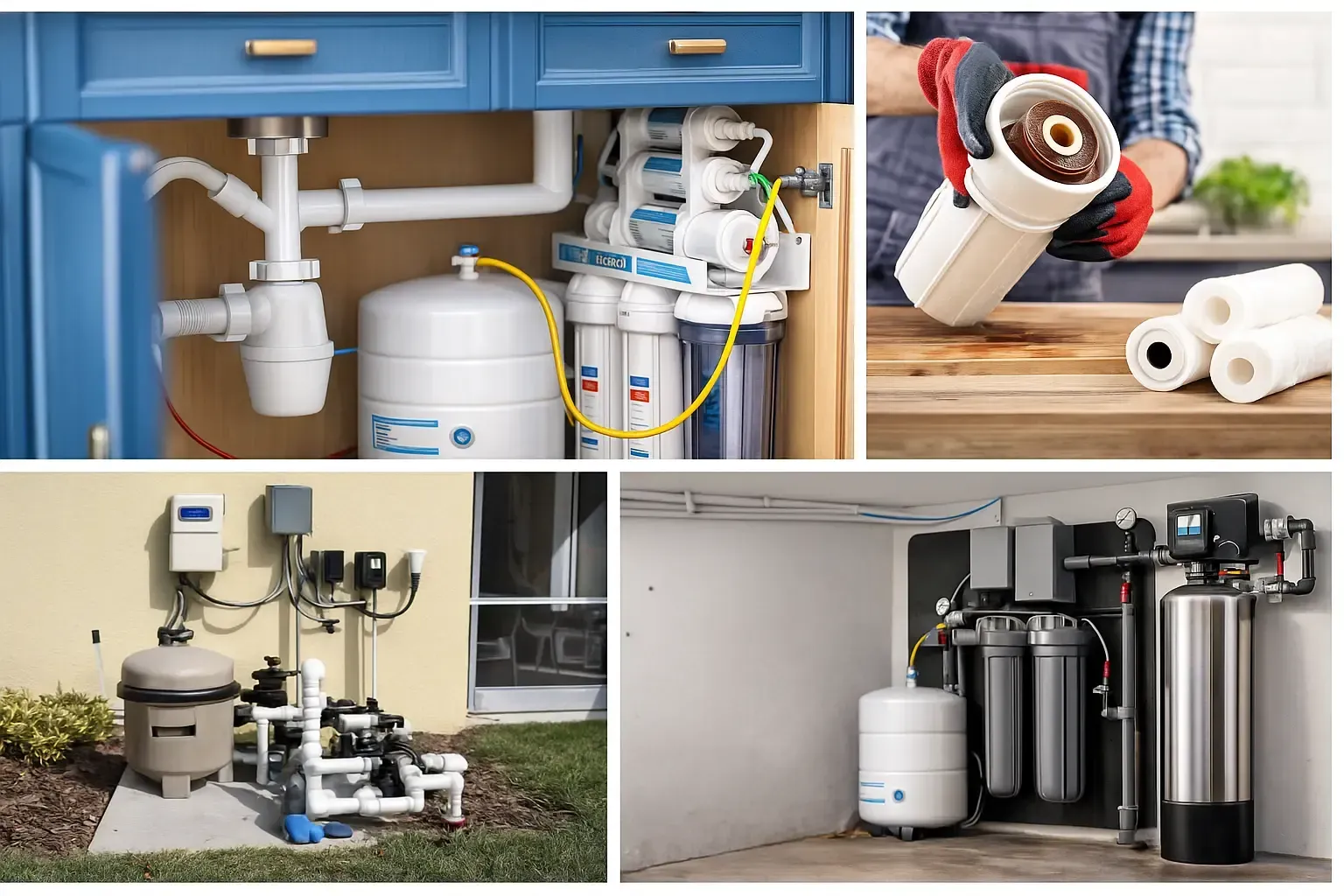
Stop and think for a second about your daily water use. Before heading out the door to meet the day, you’ve likely used at least three different sources of water. There’s the kitchen sink for your breakfast and morning drink of choice. Then there’s the shower and bathroom sink as well. If your household is a bit bigger, unexpectedly stained school clothes might call for yet another water source, the washing machine.
With so many water sources in your home seeing such frequent use, it’s worth considering the quality of the water at each source. Why not expand water filtration from just the kitchen sink to the whole home? If you’ve only recently begun wondering how to improve water filtration in your home, we’ve built this guide for you. We’ll explain what a water filtration system for a home is, the various options, and which one is right for your household below.
What is a Water Filtration System?
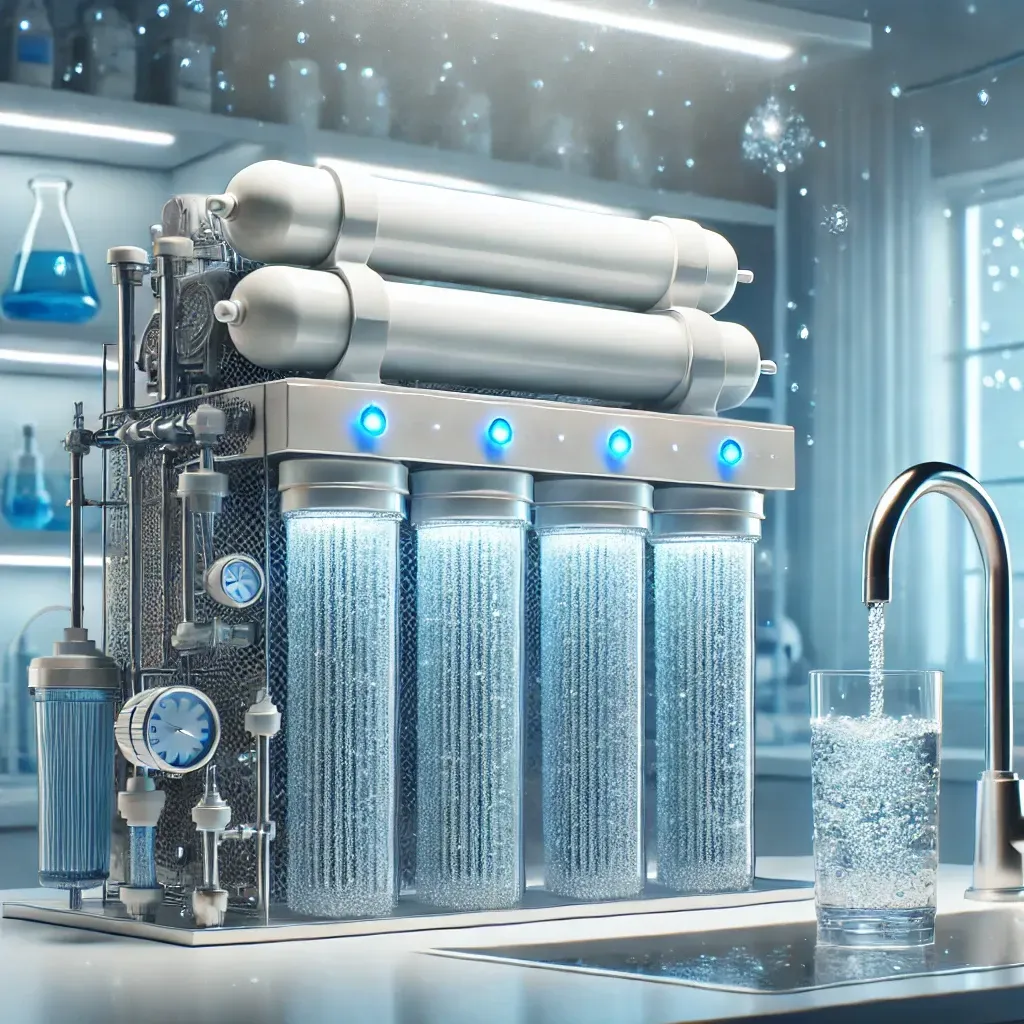
A water filtration system refers to any process of filtering out potential contaminants from liquid water. A water filtration system may use rudimentary methods like straining and surface capture, more advanced methods like reverse osmosis and UV filtration, or some combination of the two.
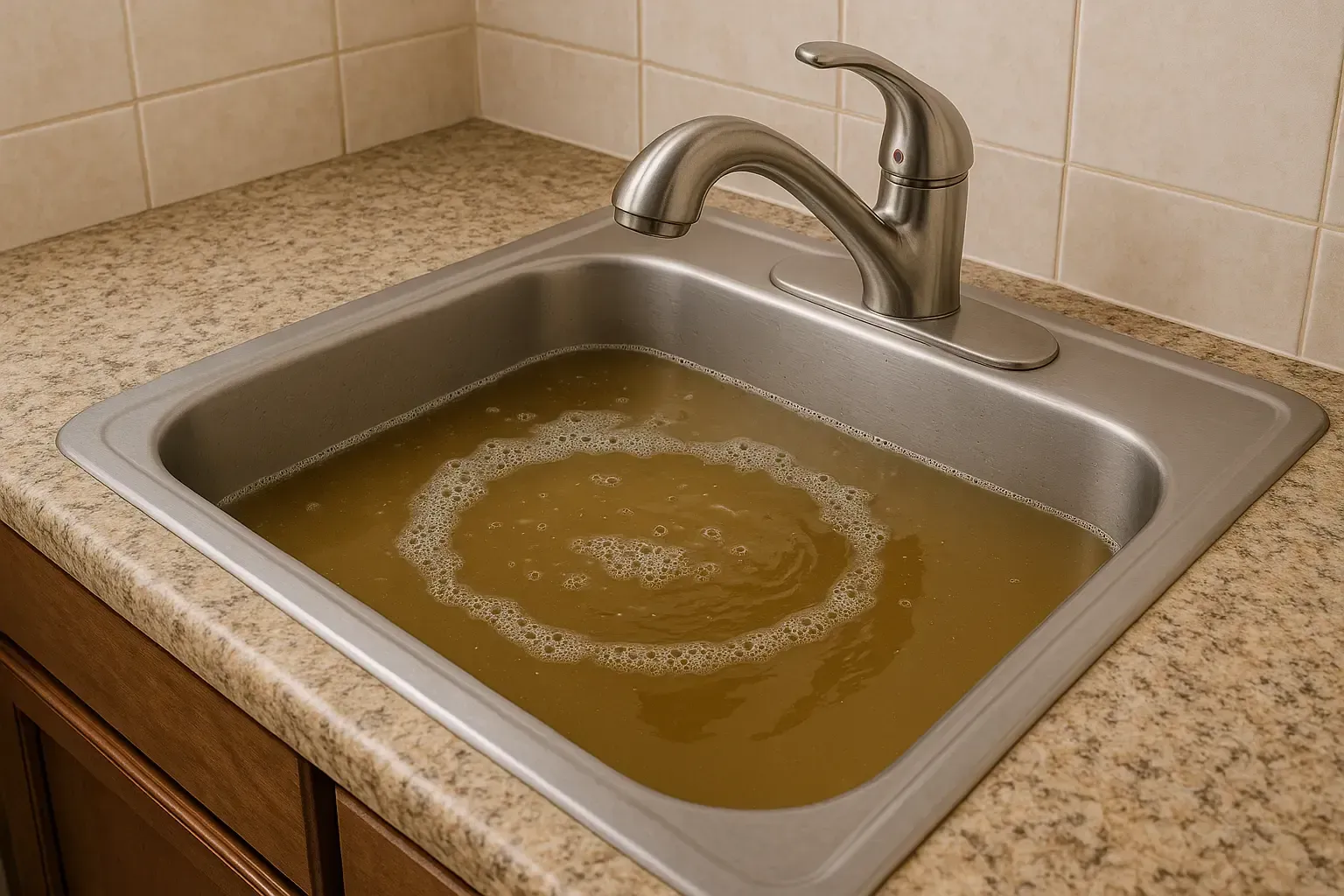
Water filtration is seeing a resurgence in northeast Georgia because much of the region’s infrastructure is beginning to age and decay. While water coming from municipal sources is treated at local facilities, it often travels to homes through pipes reaching 100 years old that are more susceptible to rust or breaches that introduce contaminants back into the water. Employing a water filtration system for an entire home offers homeowners a chance to keep their water safe.
What is the Process of Water Filtration?
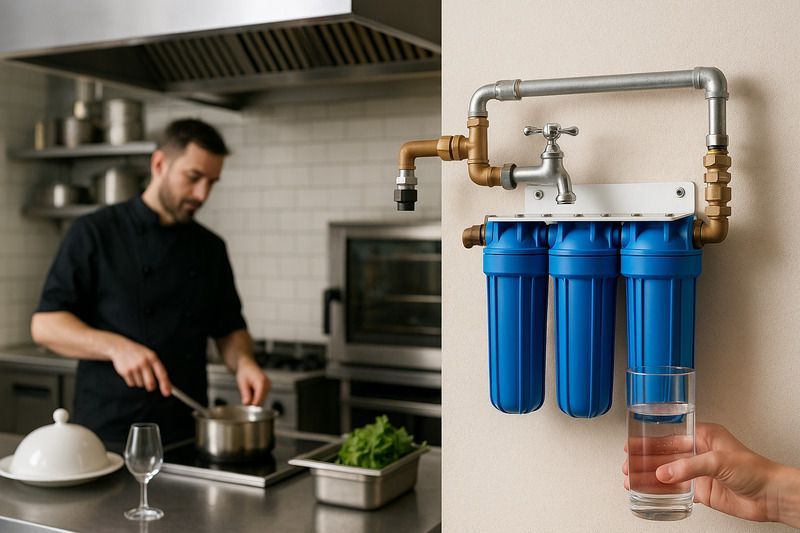
The first thing to know about a home water filtration system is that it is more comprehensive than any point-of-use water filtration system that many people already use. A whole-home water filtration system has the advantage of being located where the water enters the home and can therefore filter all the water in the home, unlike typical point-of-use systems.
The Water Filtration Process: Step by Step
Exactly how a water filtration process works can depend on the type of water filtration system installed. However, there are some general steps every system will make use of that are helpful to know.
- Entry: Water must first enter the system. In a home water filtration system, this will be through the main pipe connecting the home to the municipal water supply.
- Filtration: The water will then pass through a filter medium like activated carbon or some other barrier. The filter medium needs to allow the fluid to pass through while holding the contaminants. In many systems, pressure or gravity are used to accomplish these goals.
- Collection: The filter works by allowing water molecules to pass through the filter membrane and stopping other molecules from passing. The bigger the difference in size between the water molecules and contaminants, the easier it is for the filter to hold those contaminants while letting water through.
- Passage: The pressure or gravity will allow the water to pass through, making its way to the points of use throughout the house.
Types of Home Water Filtration Systems
There are various types of home water filtration systems available, each with its unique functions and benefits. Some methods, like distillation, are time-consuming methods that achieve great results and are mainly used in medical or commercial settings. So, for homeowners, other methods that balance time, waste, and filtration capabilities are most common.
Activated Carbon
Carbon, from sources like burnt bamboo or coconut, is treated under heat to activate it. Once activated, the carbon acts almost like a magnet, trapping contaminants while allowing water to pass through.
- PROS: Activated carbon is an economical, low-maintenance option great for removing chlorine, chloramines, and other volatile organic compounds in their water.
- CONS: Its main drawback is the fact that it struggles to filter out inorganic material like minerals, salts, and even some microorganisms.
Reverse Osmosis
Reverse osmosis uses pressure to force water molecules against their natural tendency to produce filtered water on one side of a semipermeable membrane while leaving the contaminants behind on the other.
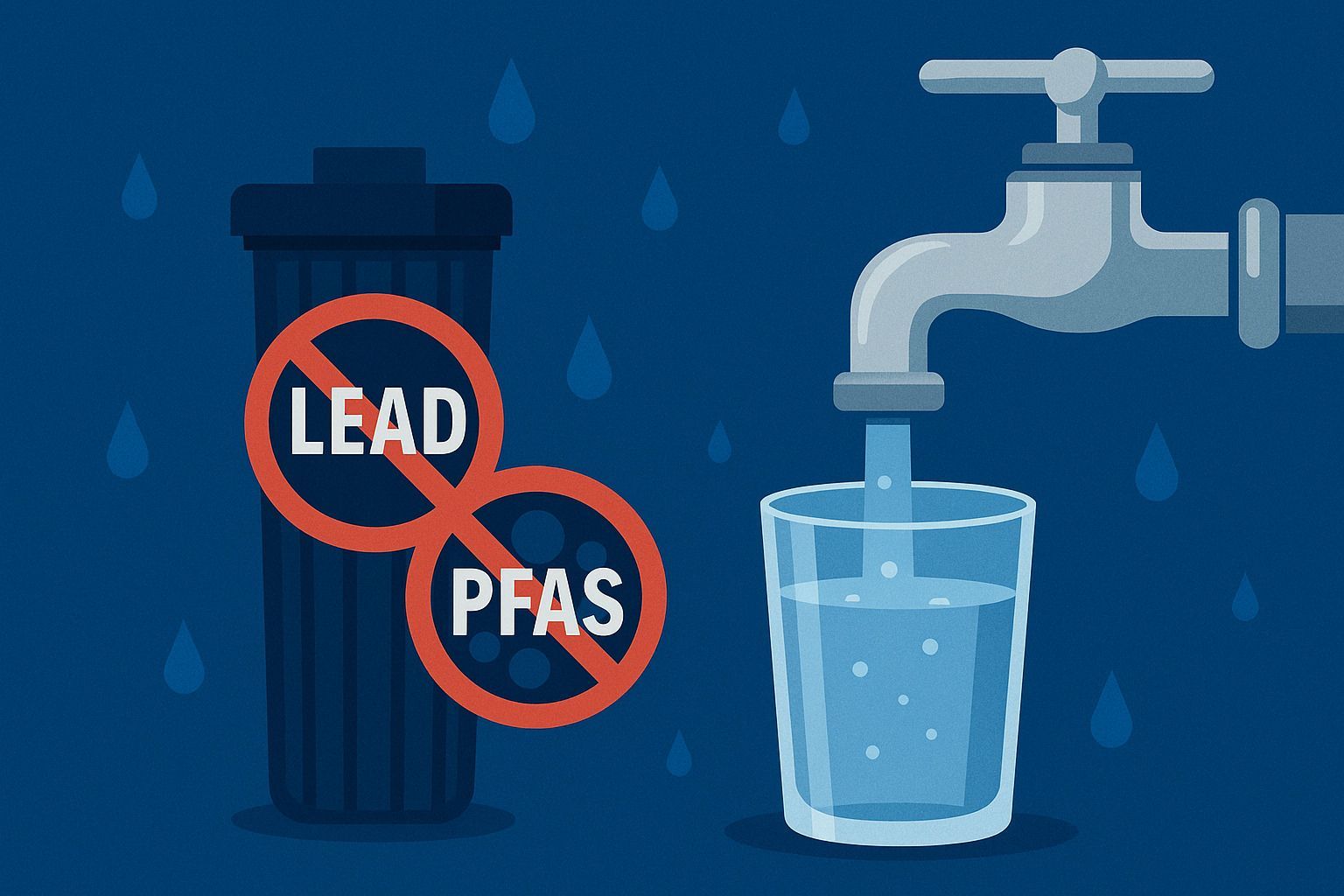
- PROS: Removes many different types of contaminants like salts, micro-organisms, minerals, lead, and other heavy metals. As a result, it can act as a water softener.
- CONS: Reverse osmosis can cost more than an activated carbon system, and even remove healthy minerals from water. It also takes about two gallons of unfiltered water to produce one gallon of filtered water, making it more wasteful.
Ultraviolet Filters
Ultraviolet light can purify water by damaging the DNA of many smaller microorganisms. This doesn’t necessarily kill them, but it makes them less harmful and unable to multiply. The result is water free from bacteria and viruses that could otherwise lead to illness.
- PROS: Sanitizes and disinfects water in ways that many other systems are unable to do. This is an energy-efficient system as well.
- CONS: Unable to remove or filter out inorganic materials like heavy metals or minerals from water. Usually paired with other filtration systems.
What is the Best Water Filtration System for Your Home?
Deciding what is the best whole-house water filtration system comes down to where your water source and your major concerns are. Recall that one of the best water filtration systems for removing nearly all impurities is distillation, but that method isn’t practical for homeowners. That said, here are some factors that can help point you toward the right water filtration system for your home.
- Water Source: Certain contaminants are more likely to occur from a well than from a municipal water treatment facility, and vice-versa. Well water can be “harder” from the minerals in the soil and more likely to contain harmful bacteria and viruses. City water, meanwhile, may have been treated with chemicals like chlorine that remove other impurities but aren’t something you want to ingest.
- Contaminant Concerns: Different types of filters or combinations perform better at removing particular contaminants. If viruses and bacteria are a concern, then UV filtering is a better solution. If heavy metals and minerals are the problem, then reverse osmosis may be the right choice.
- Household Size: This influences how much water you’ll be using and how often you’ll need to maintain the filter.
- Budget: Certain systems or combining systems may cost more than operating a single point-of-entry system. Also, using plastic water bottles will cost more than filtering water in the long-term.
- Maintenance Concerns: If you have no problem with more frequent maintenance, your options for what might be best open up. But if you’re looking for a longer-term, “set it and forget it” solution, then other systems will fit the bill.
If you’re still unsure of which system is best for your home, you can always call C&C Plumb and Well for our expert opinion on your home’s system.
How Much Does a Water Filtration System Cost?
The cost of a water filtration system depends mainly on which type of system you opt for. For example, a point-of-use system like a pitcher or faucet filter will cost less than $100. Similarly, an under-the-sink system will only cost a few hundred dollars. However, neither of these options will offer the comprehensive filtration of a whole home system.
If you’re wondering more specifically how much is a water filtration system for a whole house, that depends on the filter medium itself. The cost to install in Georgia can range from just under $1,000 to $5,000. At the upper level are whole-home systems that combine multiple filter types and soften the water. Additional electric work and removal of drywall are other considerations that can impact cost.
Is a Whole-House Filtration System Worth It?
Given that a whole-house system can be more expensive than point-of-use filtration systems, it’s worth wondering whether the benefits of water filtration justify the costs. Here are just some of those benefits.
- Safer Water: Filtering water can make it safe to drink, cook with, and wash produce with. This can save you money on plastic water bottles you’d normally use and produce better environmental outcomes.
- More Efficient Cleaning: Unfiltered water can leave streaks on dishes and take longer to lather. With filtered water, you won’t have to worry about rewashing dishes and can use less water in the initial clean.
- Healthier Hair and Skin: Filtered water can be softer, meaning it has less harmful mineral content. It can also remove chlorine that damages and dries out skin.
- Improved Laundry: Filtered water is better at cleaning clothes without fading the colors and damaging the fibers like unfiltered water does.
Get Expert Water Filtration Help In Northeast Georgia
If you want cleaner, healthier water for not just every faucet, but every facet of your life, consider installing a whole home water filtration system.
Contact C&C Plumb and Well today for responsive and professional installation. We even offer convenient maintenance plans to ensure you never go a day without clean, safe water.