How to Drain and Flush a Hot Water Heater
Share this Post on Social Media!
Your water heater works quietly behind the scenes every day, providing hot water for showers, dishes, and laundry. Like any hardworking appliance, it needs regular maintenance to perform at its best. One of the most effective ways to protect your system is to learn how to flush a water heater and make it part of your routine maintenance.
Flushing and draining a water heater removes sediment that naturally accumulates in the tank. In Northeast Georgia, this task is crucial given the prevalence of
hard water in many neighborhoods and reservoirs.
If you’re unsure whether your system needs maintenance, C&C Plumbing offers professional inspections and trusted service. You can learn more about available options when you visit our
water heater services page. Keep reading to learn how to protect your water heater from hard-water buildup!
Why You Should Flush Your Water Heater
Sediment buildup is one of the most common reasons water heaters lose efficiency over time. Minerals like calcium and magnesium fall out of the water as it heats and collect at the bottom of the tank, where they harden into a dense layer.
Understanding how to flush water heater systems properly helps homeowners avoid common issues and keep hot water reliable no matter the season.
Here are some of the key benefits of flushing your water heater:
- Improved efficiency - Sediment acts as insulation, forcing the heater to work harder to bring the water up to temperature.
- Lower energy bills - Less strain means less energy use.
- Longer lifespan - Removing buildup reduces corrosion and overheating.
- Quieter operation - Rumbling and popping sounds often disappear after flushing.
- Better performance - Hot water recovers faster and remains consistent over time.
Most manufacturers recommend flushing at least once per year, but homes with hard water benefit even more from sticking to that annual schedule. Ignoring this maintenance step can lead to premature failure and unexpected replacement costs.
How to Drain and Flush a Water Heater: Step-by-Step
While many homeowners want to understand how to drain a water heater, it’s important to remember that every system is slightly different. Gas, electric, and older units may require extra care or professional tools.
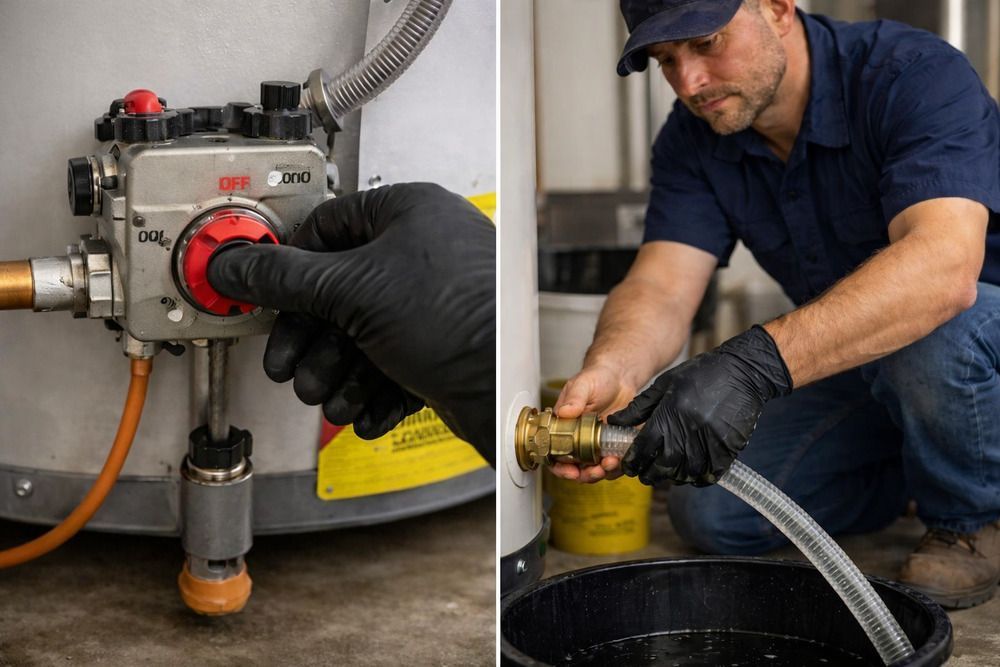
Basic Flushing Steps
Find a general overview of the process below to help you understand what’s involved:
- Turn off the power or gas to the unit
- Shut off the cold water supply
- Attach a hose to the drain valve and run it to a safe drainage area
- Open a nearby hot-water faucet to relieve pressure
- Open the drain valve and allow the tank to empty
Once the tank is drained, briefly turning the cold water supply back on can help stir up and remove remaining sediment. This step is essential when learning how to drain water heater tanks effectively, as sediment often settles back into place if the tank is simply emptied without flushing.
Important Safety Considerations
Older drain valves can clog or fail, and heating elements can be damaged if the tank isn’t refilled before restoring power. If you feel uncertain at any point in the process, it's best to pause and consult a professional.
For expert assistance, C&C Plumbing has trained technicians available through our
Plumbing Services page.
How Often Should You Flush a Water Heater?
For most households, flushing once per year is ideal. Annual flushing prevents sediment from hardening and becoming difficult to remove while maintaining high energy efficiency year-round.
Homes in Northeast Georgia often deal with mineral-heavy water, which means understanding how to flush water heater systems isn’t just helpful– it’s necessary. Hard water accelerates sediment buildup, increasing the need for routine maintenance.
However, it’s essential to understand that your water heater may require more frequent flushing. This can be due to:
- Having a well-water system
- Residing in a property with an older plumbing system
- Noticing visible sediment or cloudy hot water
- Experiencing reduced hot water capacity
- Hearing frequent rumbling or popping noises
In these situations, flushing every six to nine months may be beneficial. A professional plumber can assess your water quality and heater condition to recommend the best maintenance schedule.
Common Problems You May Notice Before Flushing
Your water heater often gives warning signs before sediment buildup causes major damage. Recognizing these symptoms early can help you take action before repairs become expensive.
Homeowners researching how to drain a hot water heater often do so after noticing performance issues that point to internal buildup or corrosion.
Warning Signs to Watch For
- Loud noises are coming from the tank
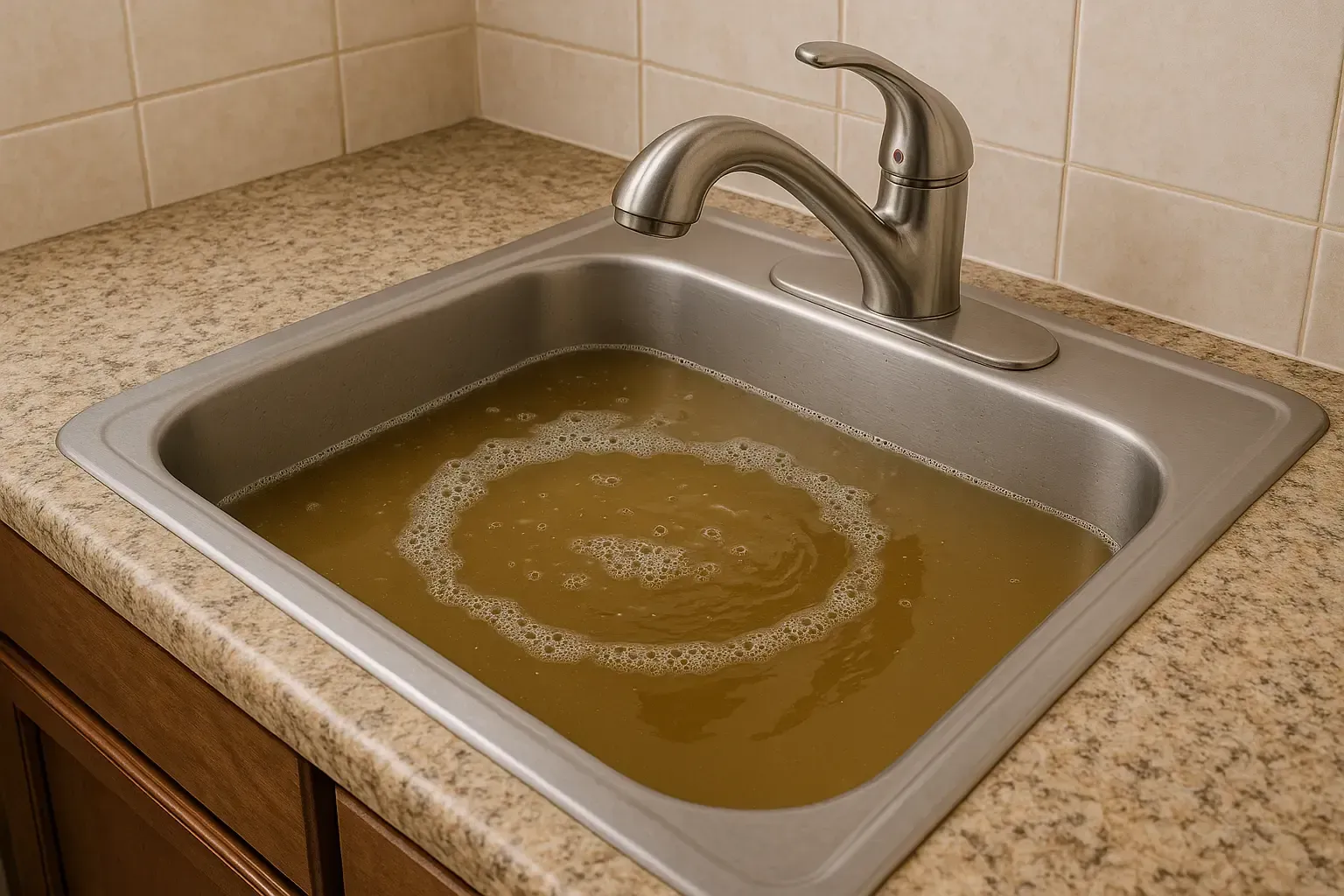
- Water that appears rusty or discolored
- Inconsistent or reduced hot water capacity
- Longer recovery times
- Rising energy bills
- Moisture or corrosion around the base of the unit
Sediment buildup traps heat inside the tank, accelerating the degradation of internal components. Over time, this can weaken the tank walls, leading to leaks or complete failure.
If you’re wondering how long your unit may last under these conditions, this related resource offers helpful insight:
How Long Will Your Water Heater Last?
Should You Flush the Water Heater Yourself or Call a Pro?
Many homeowners ask whether learning how to drain hot water heater systems on their own is worth the effort or risk. The answer depends on your comfort level, tools, and the age of your unit.
DIY Flushing: Advantages and Risks
There are several things to keep in mind when weighing the pros and cons of flushing your water heater yourself.
Pros
- Lower upfront cost
- Convenient for experienced homeowners
- Greater awareness of system condition
Cons
- Risk of burns or water damage
- Valves may leak or break
- Sediment can clog drains
- Mistakes can damage heating elements or gas components
Understanding where you stand in terms of experience and confidence is a key aspect of whether or not you should tackle this project on your own. If at any point you feel like you’re unsure or fearful of what might happen, you need to contact the professionals instead.
Professional Service: Peace of Mind
Hiring a licensed plumber ensures the job is done thoroughly and safely. Professionals also inspect components like the anode rod, pressure relief valve, and connections– items often overlooked during DIY flushing.
For many homeowners, especially those unfamiliar with how to flush a water heater, professional service offers long-term savings by preventing avoidable damage.
Protect Your Water Heater with Professional Service
Routine flushing is one of the simplest ways to extend the life of your water heater, reduce energy costs, and avoid unexpected breakdowns. Whether you’re researching how to flush a water heater for the first time or dealing with signs of sediment buildup, C&C Plumbing is ready to help.
Our experienced team understands local water conditions in Northeast Georgia and knows exactly how to drain a water heater safely and thoroughly. We handle everything from routine maintenance to complete system evaluations, ensuring reliable hot water year-round. I am running a few minutes late; my previous meeting is running over.
Schedule your service today by visiting our
Service Request page and let C&C Plumbing take care of your water heater the right way. Don’t let sediment get in the way of your hot showers in the morning. Contact C&C today!