Is Atlanta Tap Water Safe to Drink?
Share this Post on Social Media!
Residents are right to be concerned about tap water quality in Atlanta. In fact, according to the Environmental Working Group (EWG), Atlanta has, at times, exceeded the EPA's Lead Action Level. The city has also been in violation of federal drinking water standards for a total of four quarters between April 2019 and March 2021. Beyond these issues, there are other contaminants in Atlanta water that are either not federally regulated, or that meet federal standards but exceed EWG standards for health and safety. Read on to learn more and find out how you can protect your family.
What substances are found in Atlanta tap water and what are their health effects?
According to the EWG, Atlanta water contains 18 contaminants, 10 of which exceed the organization’s health guidelines. Their contaminants include:
Bromodichloromethane in Atlanta tap water
Bromodichloromethane is a type of chemical that forms when chlorine used in water treatment reacts with natural organic matter in the water. This compound poses a known health risk—and is considered a carcinogen (cancer-causing) by the International Agency for Research on Cancer (IARC) and the U.S. Environmental Protection Agency (EPA). Experts also believe it can increase the risk of liver, kidney, or central nervous system problems. Bromodichloromethane was found in Atlanta tap water at levels 128x EWG’s health guidelines.
Chloroform in Atlanta tap water
Chloroform in tap water is also a byproduct of water treatment processes. At levels that exceed guidelines, it can increase the risk of cancer and cause liver, kidney, and central nervous system damage. Chloroform was found in Atlanta tap water at levels 85x EWG’s health guidelines.
Chromium (hexavalent) in Atlanta tap water
You may know this contaminant from the true story (and movie) about Erin Brockovich, a woman who fought to uncover a company’s illegal dumping of hexavalent chromium, which contaminated a local water supply and sickened residents. This chemical is used in various industrial processes, during which small amounts can end up in the water supply. Hexavalent chromium can increase the risk of stomach and intestinal cancers and cause severe respiratory, skin, and eye irritation, plus kidney and liver damage. Hexavalent chromium was found in Atlanta tap water at levels 7.3x EWG’s health guidelines.
Dibromochloromethane in Atlanta tap water
Dibromochloromethane is a chemical that occurs in tap water—a byproduct of treatment and sanitization processes. Like Bromodichloromethane and chloroform, it has been linked to cancer, liver and kidney damage, and nervous system problems. Dibromochloromethane was found in Atlanta tap water at levels 7.8x EWG’s health guidelines.
Haloacetic acids in Atlanta tap water
Haloacetic acids (including trichloroacetic acid, and dichloroacetic acid) have been linked to liver damage and developmental and reproductive issues. They can also affect the nervous system. It is created during the water treatment process. Dichloroacetic was found in Atlanta tap water at as high as 905x EWG health guidelines.
Nitrates and nitrites in Atlanta tap water
Nitrates and nitrites can be naturally occurring in tap water or a result of human activities—including agricultural runoff, wastewater, and industrial pollution. Babies are most at risk for health effects from nitrates and nitrates, which interfere with the blood's ability to carry oxygen. Long-term exposure to high levels of nitrates has been linked to an increased risk of certain cancers, such as gastric cancer. High nitrate levels may also contribute to thyroid problems. Nitrates and nitrites were found in Atlanta tap water at 6.3x EWG health guidelines.
PFAs in Atlanta tap water
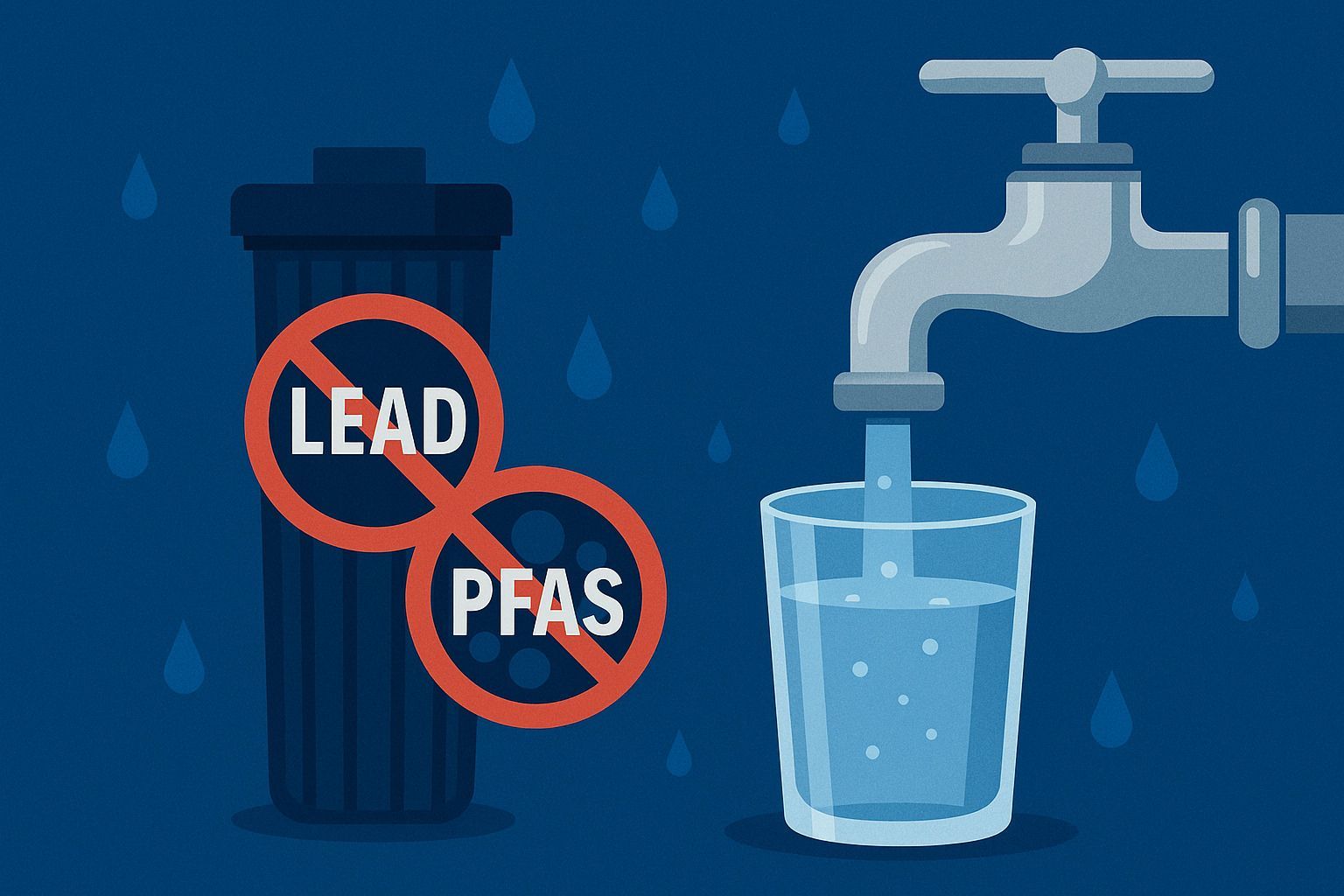
The Atlanta Journal-Constitution recently reported that the tap water in several Atlanta counties contains per- and polyfluoroalkyl substances (PFAS), also known as Forever Chemicals. These chemicals have been linked to cancer and impaired immunity, even at low levels.
What is the source of Atlanta tap water?
Atlanta’s tap water comes from the Chattahoochee River. The water is pumped and treated before it ends up in the homes of the city’s approximately 1.2 million residents.
Who is responsible for tap water regulation in Atlanta?
The Atlanta Department of Watershed Management manages tap water in Atlanta.
The role of home water filtration systems in Atlanta
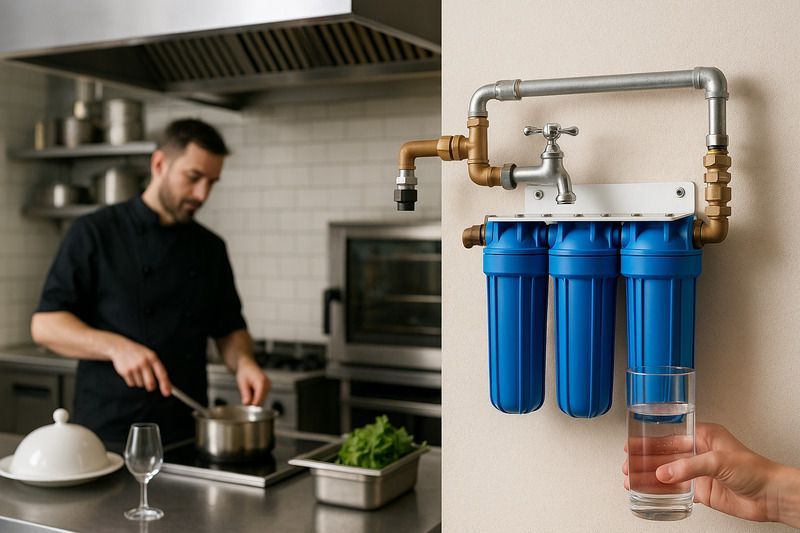
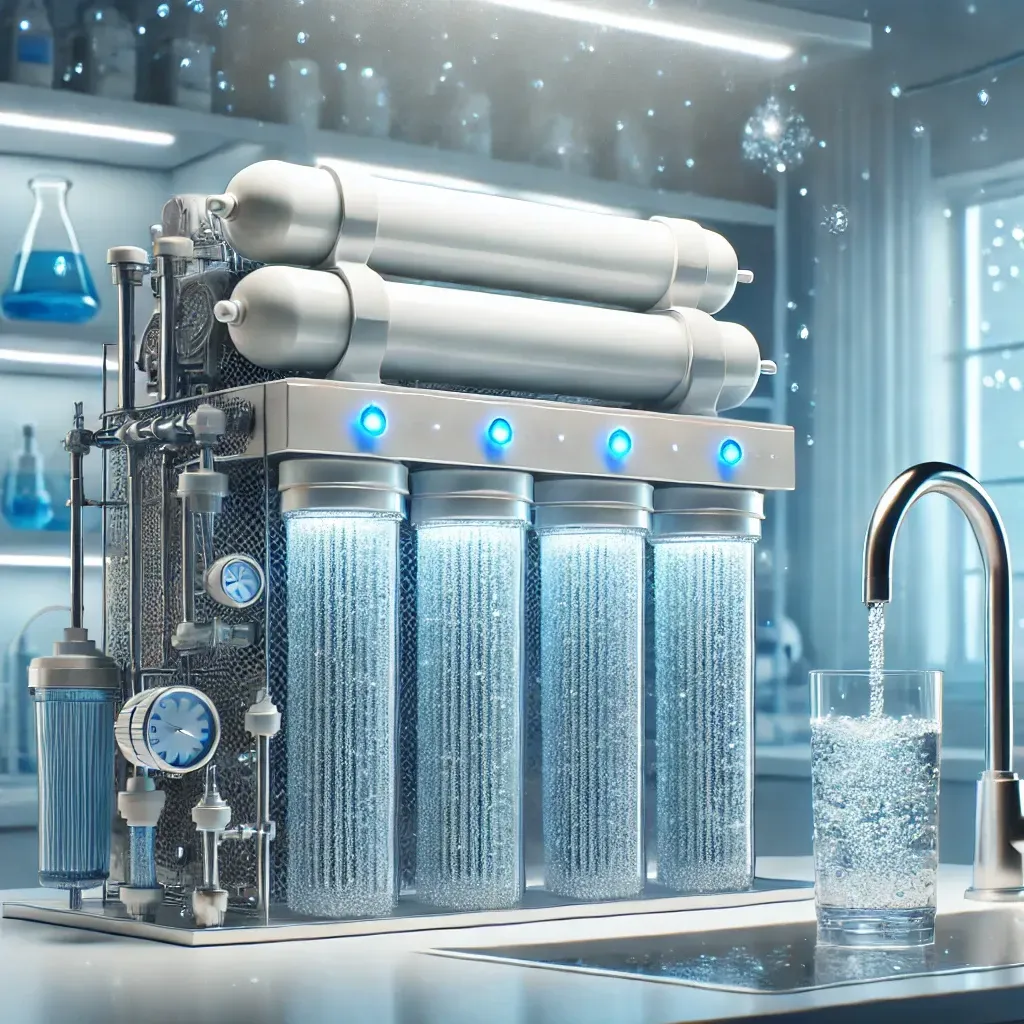
The good news is, that reverse osmosis is highly effective at removing many of the contaminants found in Atlanta tap water. Beyond removing potentially harmful chemicals, they have other benefits, including:
- Water filtration delivers better-tasting water and food
- Water is gentler on appliances and plumbing since water filtration “softens” water by removing some of the minerals that can cause buildup.
- Whole-home water filtration systems can increase property value
So can you drink tap water in Atlanta?
Based on the above analysis, it’s probably a good idea to drink filtered water if you live in Atlanta. In addition to lapses in adherence with federal and EPA standards, several contaminants found in Atlanta tap water are either not regulated, or could still be dangerous at low levels over time.
C&C Plumbing offers the best water filtration installation in Atlanta
Need someone you can trust to
install your water filtration system? We’ve got the best team in all of Atlanta! From small residential installations to large-scale commercial jobs, you’ll see the C&C difference from the moment you meet us! We’ve completed hundreds of installations with our customized design process, so we have deep knowledge and extensive skills. What’s more, we deliver value long after the installation—with lifelong maintenance and support.
Learn more about water filtration in Atlanta and contact us today for a free estimate!